Roof Repair in Rolla, MO: How to Know When a Patch Will Hold and When It Won't
Rolla homeowners know the drill. A spring storm rolls through the Ozarks — wind, hail, maybe a branch or two — and the next morning someone's looking at a ceiling stain or a section of shingles in the yard. The immediate question is almost always the same: do I need a full roof replacement, or will a repair handle this? It's not a simple answer, and any roofer who gives you one without getting eyes on your roof first isn't giving you the full picture. Here's how to think through the repair-versus-replace question before you make any calls.
What 'Roof Repair' Actually Covers
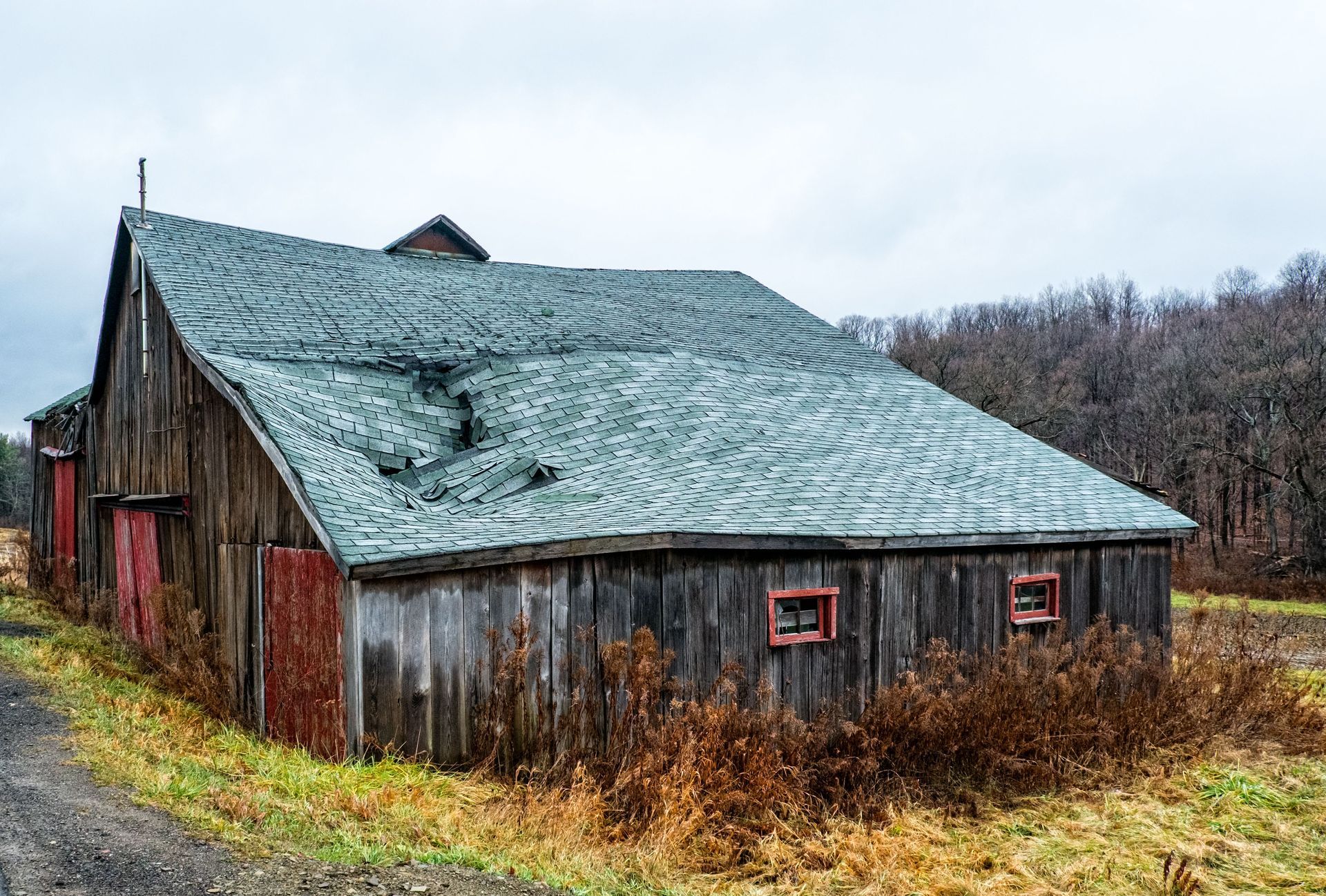
Roof repair isn't a single service — it's a category that ranges from sealing a flashing gap around a chimney to replacing a section of damaged decking and shingles after a tree limb comes down. In Rolla and the surrounding Phelps County area, the most common repair calls we get involve storm-related shingle damage, flashing failures around vents and valleys, and leak investigations that turn out to be isolated rather than systemic.
A repair makes sense when the damage is genuinely localized — when the rest of the roof is in solid shape and the problem area is clearly defined. It does not make sense when a 'repair' would mean patching 40% of the roof, or when the underlying decking has been compromised by long-term moisture exposure.
The Age Factor
Asphalt shingles have a rated lifespan, typically 25–30 years for architectural shingles under normal conditions. Missouri's weather — hot, humid summers, freeze-thaw winters, and hail seasons that can be brutal in the I-44 corridor — pushes that number toward the lower end of the range. If your roof is past the 20-year mark and you're looking at a significant repair, the honest calculation is whether you're investing repair money into a roof that has 3–5 years of useful life left.
Bales Roofing will always tell you where your roof stands on this spectrum. If a repair is the right call, we'll say so — we're not in the business of selling replacements to people who don't need them.
Signs a Repair Is Enough
Some indicators that a targeted repair can solve your problem: the damage is limited to a small, clearly defined area. The surrounding shingles are still in good condition — granules intact, no curling or cupping. The roof deck beneath the damaged section is dry and structurally sound. The leak (if there is one) traces back to a single point of failure rather than multiple locations.
Our leak detection process is designed to trace the actual source of water intrusion before any repair work begins — because where water shows up inside a home is often not where it's actually entering the roof system.
When Repair Becomes a Recurring Cost Instead of a Solution
The red flag we see most often is a homeowner who has had the same section of roof repaired two or three times in as many years. Each time, the repair holds for a season — and then another problem surfaces nearby. This pattern usually indicates underlying issues: a failing ice and water barrier, deteriorated flashing that was never fully replaced, or shingles that have lost enough granule coverage that they're no longer shedding water effectively.
At that point, continued repair spending is delaying the inevitable while adding to the total cost. A professional roof inspection will give you a clear picture of where your roof actually stands and what the right path forward is.
Bales Roofing offers free estimates and inspections for homeowners in Rolla, St. Robert, and throughout Phelps County. If you're dealing with storm damage or a persistent leak, give us a call at
573-368-9559 or reach out at
balesroofingllc.com — we'll give you a straight answer.